




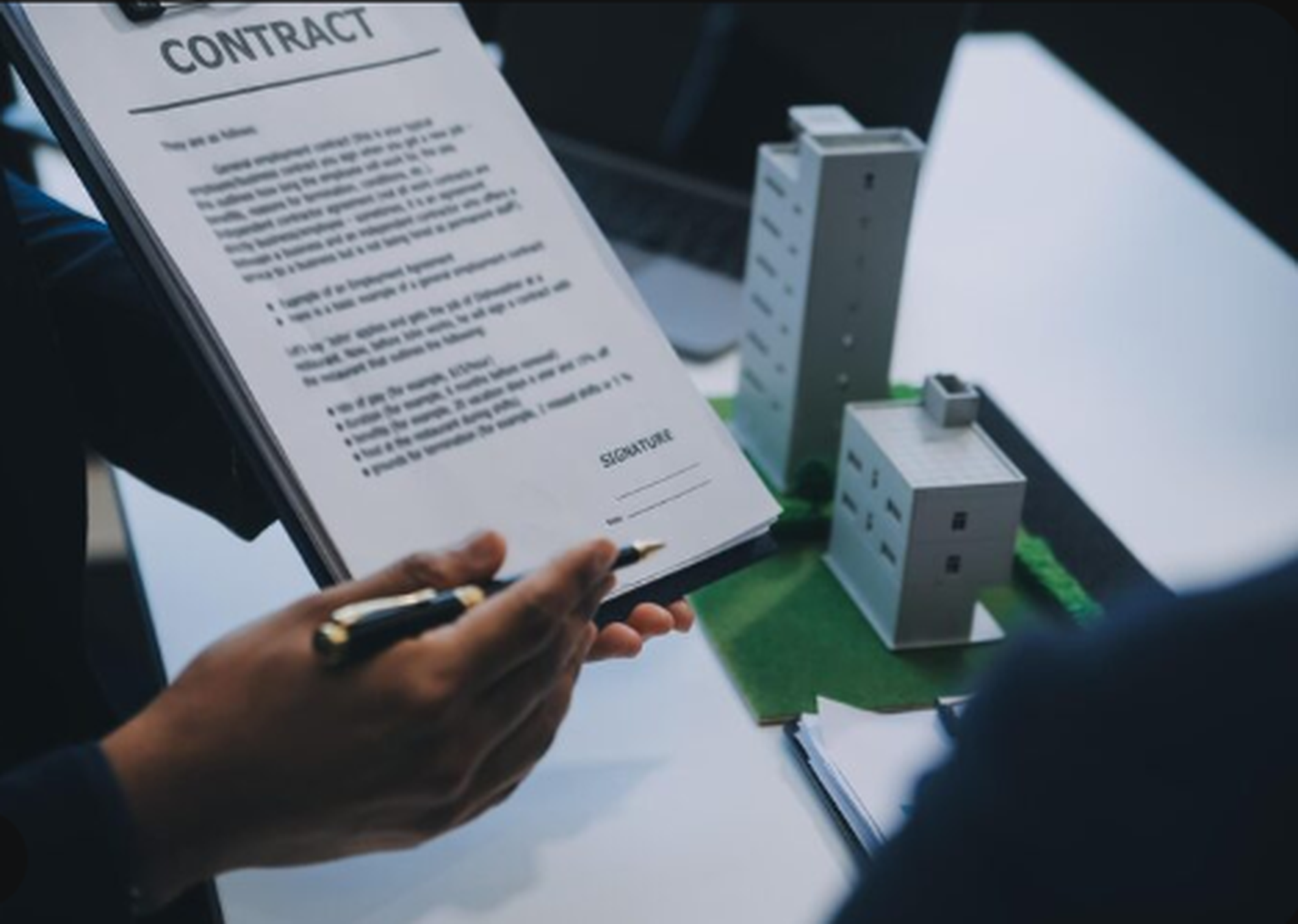
Construction projects in Texas are complex, high-stakes undertakings involving multiple parties, tight deadlines, and significant financial investment. Whether you are a general contractor, subcontractor, developer, or supplier, the strength of your construction contract can determine the success or failure of your project.
Well-drafted contracts do more than outline expectations; they allocate risk, prevent disputes, and protect your business when challenges arise. Below are the essential contract clauses every construction company in Texas should understand and implement.
1. Scope of Work Clause
The scope of work defines exactly what services and materials are included in the project. This clause should be as detailed as possible to avoid misunderstandings.
Key elements to include:
- Specific tasks and deliverables
- Project specifications and standards
- Materials to be used
- Exclusions (what is not included)
A vague scope of work often leads to disputes over whether certain tasks fall within the contractor’s obligations.
2. Payment Terms and Schedule
Cash flow is critical in construction. A clear payment clause ensures all parties understand when and how payments will be made.
Important considerations:
- Payment milestones or progress payments
- Retainage terms (commonly 5–10% in Texas projects)
- Deadlines for invoicing and payment
- Interest or penalties for late payments
Texas law also impacts payment practices, including prompt payment requirements, making this clause especially important.
3. Change Order Clause
Changes are inevitable in construction projects. A change order clause establishes the process for handling modifications.
This clause should define:
- How changes are requested and approved
- Documentation requirements
- Impact on cost and timeline
- Authorization procedures
Without a proper change order process, contractors risk performing unpaid work.
4. Delay and Liquidated Damages Clause
Delays can be costly. This clause determines how delays are handled and whether penalties apply.
Key components:
- Definition of excusable vs. non-excusable delays
- Force majeure events (e.g., weather, natural disasters)
- Liquidated damages for project delays
- Extensions of time provisions
Proper drafting ensures fairness and protects against unreasonable penalties.
5. Indemnification Clause
An indemnity clause shifts risk from one party to another. In Texas, these clauses are subject to strict legal limitations, especially in construction contracts.
Typically covers:
- Third-party claims
- Property damage
- Bodily injury
Texas follows the “fair notice” doctrine, meaning indemnity provisions must be clear and conspicuous to be enforceable.
6. Insurance Requirements Clause
This clause outlines the types and amounts of insurance each party must carry.
Common requirements include:
- General liability insurance
- Workers’ compensation
- Builder’s risk insurance
- Additional insured endorsements
Proper insurance provisions help ensure that financial responsibility is covered in the event of accidents or damage.
7. Termination Clause
A termination clause defines how and when a contract can be ended.
Types of termination:
- Termination for cause (e.g., breach of contract)
- Termination for convenience
This clause should also address:
- Notice requirements
- Payment obligations upon termination
- Rights and responsibilities post-termination
8. Dispute Resolution Clause
Disputes are common in construction. This clause determines how they will be resolved.
Options include:
- Mediation
- Arbitration
- Litigation
It should also specify:
- Governing law (Texas)
- Venue (county where disputes will be handled)
A well-drafted dispute resolution clause can save significant time and legal costs.
9. Lien Rights and Waivers
Texas construction law provides strong lien rights, but improper handling can lead to loss of those rights.
This clause should address:
- Mechanic’s lien rights
- Procedures for filing liens
- Lien waivers and releases
Improper lien waivers can unintentionally waive your right to payment.
10. Warranty Clause
A warranty clause outlines the contractor’s responsibility for defects after project completion.
Key elements:
- Duration of warranty
- Scope of covered defects
- Repair obligations
This protects owners while also limiting contractor liability when properly drafted.
Why These Clauses Are Important
Construction contracts are not just formalities; they are legal safeguards. Poorly drafted or missing clauses can lead to:
- Costly disputes
- Project delays
- Financial losses
- Legal liability
In Texas, construction law has unique rules and requirements, making it essential to work with legal professionals who understand the local regulatory landscape.
Final Thoughts on Contract Clauses Every Construction Company Should Know in Texas
In the construction industry, success is not built on concrete and steel alone; it is built on the strength of your contracts. Every clause serves a purpose, whether it protects your payments, defines responsibilities, or shields your business from unnecessary risk. Overlooking even a single provision can expose your company to costly disputes and liabilities that could have been avoided with proper legal planning.
Texas construction law adds another layer of complexity, making it important for contractors and developers to be proactive rather than reactive. The most successful companies are those that treat their contracts as strategic tools, not just paperwork.
Before your next project begins, take the time to ensure your agreements are clear, enforceable, and tailored to protect your interests. And when in doubt, working with experienced legal counsel is not an expense; it is an investment in the long-term stability and success of your business.
Contact Abii & Associates Today
If you are a contractor, developer, or construction business operating in Texas, now is the time to ensure your contracts are legally sound and fully protective of your interests.
At Abii & Associates, we help construction businesses in Texas protect their interests through expert contract drafting, review, and dispute representation. Our firm provides tailored legal support, including risk assessment, clause optimization, and guidance on lien rights and compliance.
Because even one poorly written clause can lead to significant financial loss, it’s important to have experienced legal counsel. Contractors and developers are encouraged to schedule a consultation to review contracts, uncover risks, and strengthen agreements, ensuring their contracts work in their favor and support long-term success.
Call us today or request a consultation online to protect your business before problems arise. Your contracts should work for you, not against you. Let Abii & Associates help you build with confidence.