




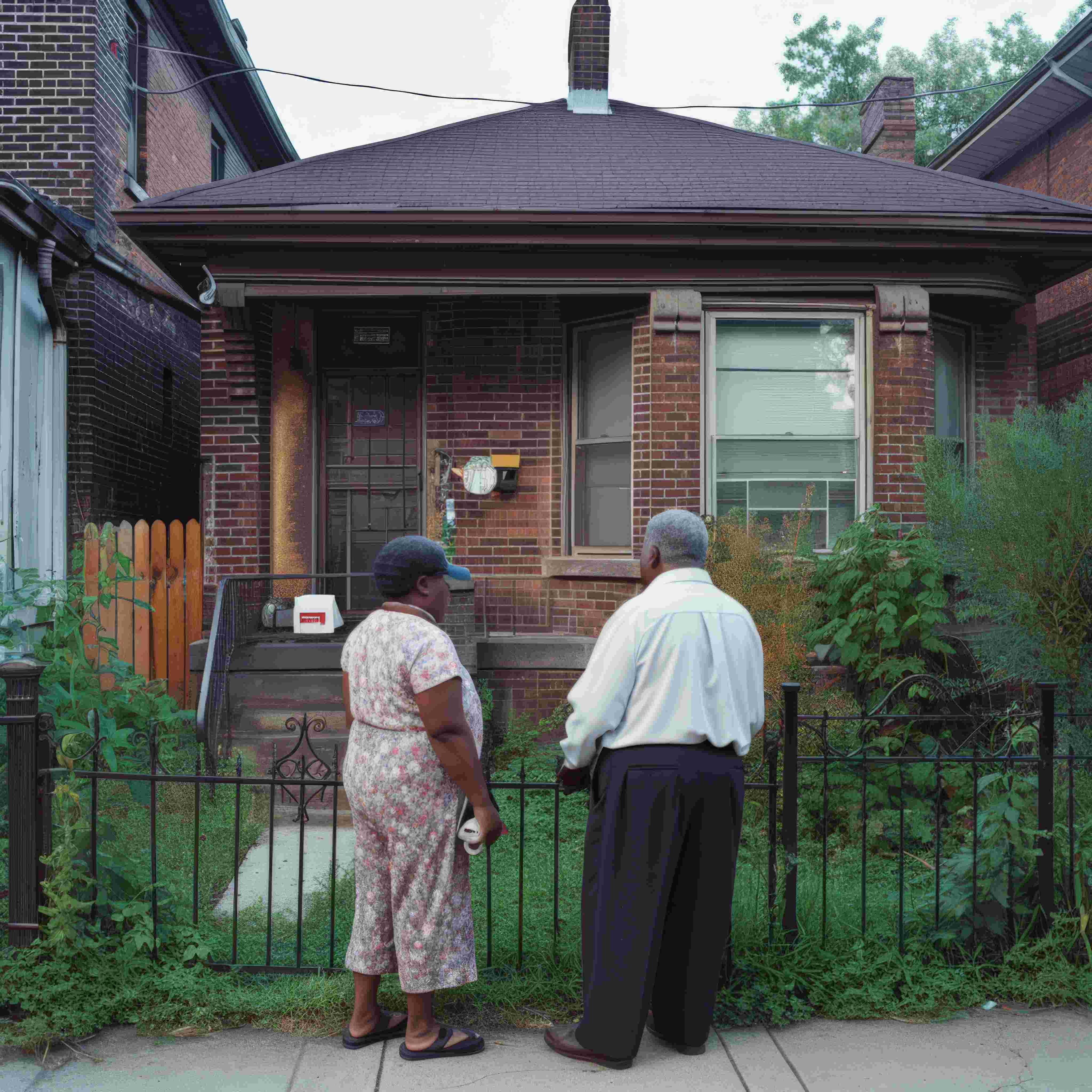
Most people assume their property will automatically pass to a spouse, children, or close relatives when they die. But if you are wondering What Happens to Your Estate If You Have No Heirs in Texas?, the answer depends on Texas inheritance laws and whether you have a valid estate plan in place. Not everyone has immediate family. Some individuals never marry, others choose not to have children, and some simply outlive their closest relatives.
If you find yourself in that situation, an important question arises: What happens to everything you own when there is no one left to inherit it?
The answer depends largely on whether you have an estate plan in place. Without one, Texas law, not your personal wishes, will determine who receives your assets. In certain circumstances, your estate could ultimately become property of the State of Texas.
Understanding how this process works can help you protect your legacy and ensure that the assets you spent a lifetime building are distributed according to your intentions.
Heirs and Beneficiaries Are Not the Same Thing
Many people use the terms interchangeably, but they have very different legal meanings.
An heir is someone who inherits under Texas intestacy laws when a person dies without a valid will. Heirs are determined by statute and typically include spouses, children, parents, siblings, and more distant relatives.
A beneficiary, on the other hand, is someone you personally choose to receive assets through a will, trust, life insurance policy, retirement account, or other estate planning instrument.
This distinction matters because even if you have no obvious heirs, you still have complete control over who receives your property by naming beneficiaries through a properly drafted estate plan.
What Happens If You Die Without a Will?
When someone dies without a will, the probate court follows Texas intestate succession laws to determine who inherits the estate.
The court does not immediately conclude that a person has no heirs. Instead, it follows a legal hierarchy and searches for surviving relatives.
The process generally begins with:
- A surviving spouse
- Children and descendants
- Parents
- Siblings and their descendants
- Grandparents
- Aunts, uncles, cousins, and other extended relatives
Many people are surprised to learn how far the search can extend. Probate courts may authorize extensive investigations to locate relatives who have been estranged for decades or family members who were previously unknown to the deceased.
In some cases, professional genealogists and heir-search specialists are retained to trace family connections.
As a result, assets may ultimately pass to relatives the deceased never met or did not even know existed.
When No Heirs Can Be Found
If every reasonable effort to locate family members fails, the estate enters a legal process known as escheat. Escheat occurs when a deceased person leaves no valid will, no designated beneficiaries, and no legally recognized heirs.
At that point, ownership of the estate transfers to the state.
This can include:
- Real estate
- Bank accounts
- Investment accounts
- Vehicles
- Personal property
- Other assets belonging to the estate
Before escheat occurs, the court requires substantial evidence demonstrating that reasonable efforts were made to locate potential heirs. The state does not simply take ownership immediately.
However, once the process is complete, the assets no longer remain available for distribution according to the deceased person’s personal preferences.
The Hidden Cost of Failing to Plan
Many individuals without close family members assume estate planning is unnecessary. That assumption can create significant problems.
Loss of Control
Without legal instructions, you lose the ability to decide who benefits from your life’s work.
Property that could have supported friends, charitable organizations, religious institutions, or meaningful causes instead becomes subject to statutory distribution rules.
Unwanted Inheritances
Even when close family relationships no longer exist, the law may still recognize distant relatives as heirs. Someone with whom you had no relationship could inherit substantial assets simply because the law places them next in line.
Delays and Probate Expenses
When heirship is uncertain, probate proceedings often become more complicated and expensive.
The court may spend months—or even years—investigating family history before authorizing distribution of assets.
Uncertainty for Those You Care About
Close friends, long-term companions, caregivers, and unmarried partners frequently assume they will inherit property. Unfortunately, Texas law generally does not grant inheritance rights simply because a personal relationship existed.
Without proper legal planning, these individuals may receive nothing.
Estate Planning Options for People Without Heirs
Not having heirs does not mean you lack meaningful estate planning choices. In fact, many people without immediate family have greater flexibility in deciding how they want their legacy to be remembered.
Leave Assets to Trusted Friends
Many individuals choose to leave property to lifelong friends who provided support and companionship throughout their lives. A carefully drafted will or trust can ensure those wishes are legally enforceable.
Support Charitable Causes
Charitable giving allows your legacy to continue long after you are gone.
You may choose to support:
- Educational institutions
- Religious organizations
- Medical research
- Community programs
- Veterans’ organizations
- Animal welfare groups
- Other nonprofit causes that reflect your values
Create a Lasting Legacy
Some individuals establish scholarship funds, charitable trusts, or endowments designed to benefit future generations. These arrangements can preserve your name and values while creating meaningful opportunities for others.
Appoint Professional Fiduciaries
If there are no family members available to serve as executor or trustee, you can appoint a qualified professional.
Attorneys, trust companies, and financial institutions routinely serve in these roles and can administer estates according to your instructions.
Protect Your Healthcare Decisions
Estate planning extends beyond financial assets.
Documents such as:
- Medical powers of attorney
- Directives to physicians
- Durable powers of attorney
- HIPAA authorizations
Allow you to choose who will make important decisions if you become incapacitated.
Without these documents, decisions may fall to individuals you would never have selected yourself.

Don’t Forget About Pets and Property
For many people, beloved pets are family. Without planning, animals may end up in shelters or become dependent on others willing to provide care.
Texas law allows pet trusts that set aside funds for an animal’s continued care while naming a trusted caregiver.
Likewise, homes and other real estate often become vulnerable when no clear succession plan exists. Properties can sit vacant during lengthy probate proceedings, lose value, or become entangled in legal disputes.
A well-structured estate plan prevents these outcomes and provides clear instructions regarding ownership and management.
Why Estate Planning Matters Even More When You Have No Heirs
People often view estate planning as something reserved for married couples or parents. In reality, individuals without heirs frequently have the greatest need for a comprehensive plan.
When no obvious successor exists, every important decision becomes dependent on state law unless you have documented your wishes.
An estate plan allows you to decide:
- Who receives your assets
- Who manages your estate
- Who makes healthcare decisions
- How charitable gifts are distributed
- How pets will be cared for
- What legacy do you leave behind
Most importantly, it ensures those decisions remain yours.
Final Thoughts On What Happens to Your Estate If You Have No Heirs in Texas?
Having no heirs does not mean having no legacy.
The absence of children, a spouse, or close relatives does not diminish the value of what you have built or the impact you can leave behind. Every estate tells a story. The question is whether that story will be written by your own choices or by default rules created by the state.
Without proper planning, your assets may end up in the hands of distant relatives you never knew or eventually become property of the government. With thoughtful estate planning, you can support the people, causes, and values that matter most to you.
Your legacy should reflect your intentions, not legal assumptions.
Taking the time to create a comprehensive estate plan today gives you the certainty that your wishes will be honored tomorrow.