




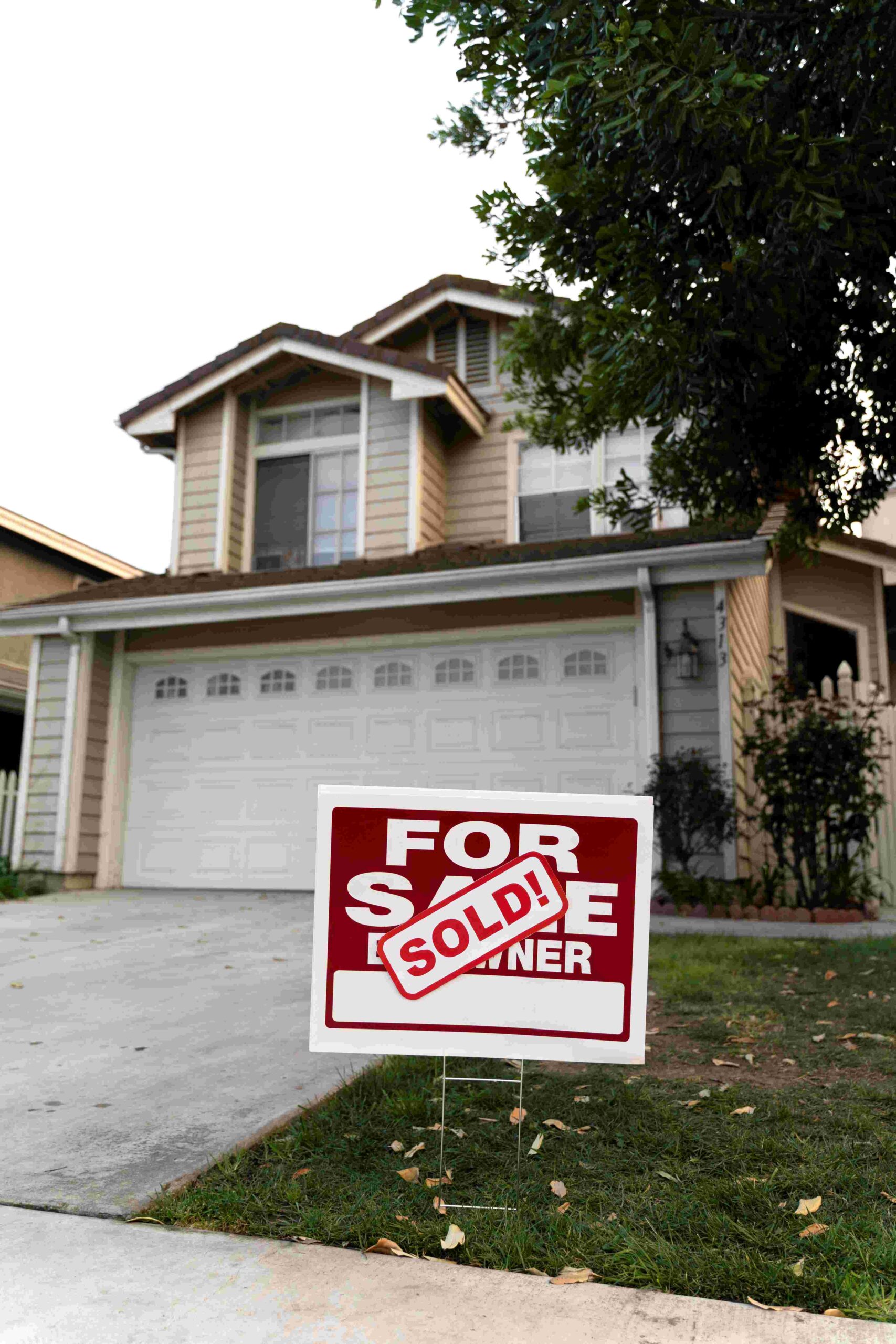
Yes. In many Texas estates, a house can be sold before probate is completely finished. But there is an important distinction: the sale cannot simply be handled by an heir because they expect to inherit the property. The person signing on behalf of the estate must have the legal authority to do so.
This is one of the most common questions families face after a loved one passes away. They may need to sell the home to pay expenses, settle a mortgage, divide the estate, or simply avoid the ongoing costs of maintaining an empty property.
Fortunately, you generally do not have to wait until every probate matter has been completed before selling the house.
Probate and the Sale of the House Are Two Different Things
A common misunderstanding is that the estate must be completely closed before its real estate can be sold. That is not generally how it works.
The sale of the property and the closing of the probate estate are separate events. A house may be sold during the administration of the estate, while other matters, such as paying remaining debts or distributing assets, continue afterward.
What matters most is whether the person handling the sale has the authority to act for the estate.
In a typical Texas probate proceeding, that authority comes through the probate court’s appointment of an executor or administrator and the issuance of the appropriate documents.
When Can a Probate House Be Sold?
The timing depends largely on the type of probate administration involved.
In an estate with a will, the person named as executor may ultimately receive Letters Testamentary from the probate court. If there is no will, the court may appoint an administrator and issue Letters of Administration.
These documents establish the representative’s authority to act on behalf of the estate. Once the executor or administrator has the necessary authority, the estate can generally proceed with selling the property. That does not necessarily mean the family has to sit idle while waiting for the probate process to begin.
The property can often be prepared for sale while the probate application is pending. Families may clean out the home, address appropriate repairs, obtain a valuation, and speak with a real estate professional so the property is ready when the legal authority is in place.
Independent vs. Dependent Administration
The type of administration can make a major difference.
Independent Administration
Independent administration is commonly used in Texas because it gives the estate representative greater flexibility. Once properly appointed and authorized, an executor generally has broad authority to handle estate property without seeking court approval for every transaction. This can make selling a house considerably more straightforward.
The property can be marketed, a buyer can be found, and the transaction can move toward closing without requiring repeated court involvement.
Dependent Administration
Dependent administration is more restrictive. The executor or administrator may need court approval before taking certain actions involving estate property, including a sale of real estate.
That additional oversight can make the process slower and more involved. The court may require additional documentation, notice, or other procedures before authorizing the transaction.
If you are unsure which type of administration applies to the estate, it is worth finding out before putting the property on the market.
Can You Sell the House Before Being Appointed Executor?
This is where families need to be careful. An heir does not automatically gain authority to sell estate property simply because they are expected to inherit it.
Before the court appoints an executor or administrator, there may be ways to prepare for a sale, but the person handling the transaction cannot simply act as though they already have authority over the estate.
In some circumstances, a property may be marketed while probate is pending, with the transaction structured so that closing occurs only after the appropriate authority has been established.
The details matter. A contract that does not properly account for the probate process can create unnecessary problems for the estate, the buyer, and the title company.
What Happens If the House Has a Mortgage?
A mortgage does not necessarily prevent the estate from selling the property. The estate may continue making required payments while the probate matter is pending. When the property is sold, the mortgage and other valid obligations associated with the transaction may generally be addressed from the sale proceeds.
The remaining funds belong to the estate. They should not simply be divided among family members because the house has been sold.
The executor or administrator remains responsible for properly handling estate obligations and distributing what remains according to the will or, when there is no valid will, Texas inheritance law.
What Happens to the Money After the Sale?
The proceeds from a probate property sale generally belong to the estate, not directly to the individual heirs.
Depending on the circumstances, the executor or administrator may need to use estate funds to address outstanding obligations, including appropriate debts and expenses associated with administering the estate.
Only after the estate’s obligations have been properly addressed should the remaining assets be distributed to beneficiaries or heirs. This is another reason why selling an estate property is more than an ordinary real estate transaction. The person handling the sale has legal responsibilities that extend beyond signing the closing documents.
What If There Are Multiple Heirs?
Multiple heirs can make a probate property sale more complicated.
One family member may want to keep the home. Another may want to sell immediately. There may be disagreements over the asking price, repairs, or how the proceeds should eventually be divided.
An executor’s authority does not eliminate family disagreements, but proper legal guidance can help prevent those disagreements from derailing the administration of the estate.
If the family cannot agree on what should happen, an attorney can explain the available legal options and help determine how the dispute should be addressed.
Do You Have to Wait Until Probate Is Closed?
No. In many Texas estates, the property can be sold while probate remains open, provided the person acting for the estate has the required authority and the sale complies with the applicable probate and real estate requirements.
The probate estate may continue for some time after the closing. The remaining work could include paying outstanding obligations, resolving claims, distributing other assets, completing required filings, and formally concluding the estate administration.
So, if the family needs to sell the home, waiting for probate to be completely finished may create an unnecessary delay.
Common Mistakes That Can Delay a Probate Property Sale
A few mistakes tend to create avoidable problems.
Assuming an heir can sell the property. Inheriting a house and having legal authority to sell it are not the same thing.
Waiting unnecessarily. Families sometimes postpone preparing the property because they believe nothing can happen until probate is over.
Ignoring title issues. Problems with ownership, the will, liens, or other interests can surface when the title company begins reviewing the transaction.
Treating the proceeds as personal money. Sale proceeds generally belong to the estate until debts, expenses, and distributions are properly handled.
Trying to handle a complicated probate sale without legal guidance. A mistake in the probate process can cause problems that are far more expensive to fix later.
Final Thoughts on Can You Sell a House Before Probate Is Complete in Texas?
Selling a house during probate in Texas is possible, but the process should never be treated like an ordinary real estate transaction. The key issue is legal authority. An executor or administrator must have the authority required to act for the estate, and the type of probate administration can affect how the sale must be handled. (Texas Legislature Online)
For families already dealing with the loss of a loved one, an unnecessary delay can add financial pressure and make an already difficult situation harder. At the same time, moving too quickly without confirming the estate representative’s authority can create title and probate problems that may surface when the property is being sold.
If you are considering selling a home that belongs to a Texas estate, getting the legal side right should come before signing a contract or making major decisions about the property. With the right guidance, the sale can move forward while the remaining probate matters are properly handled.
Abii & Associates can help you understand your rights, the estate representative’s authority, and the legal steps involved in selling probate property in Texas. Contact our firm to discuss your situation and determine the best way forward.