




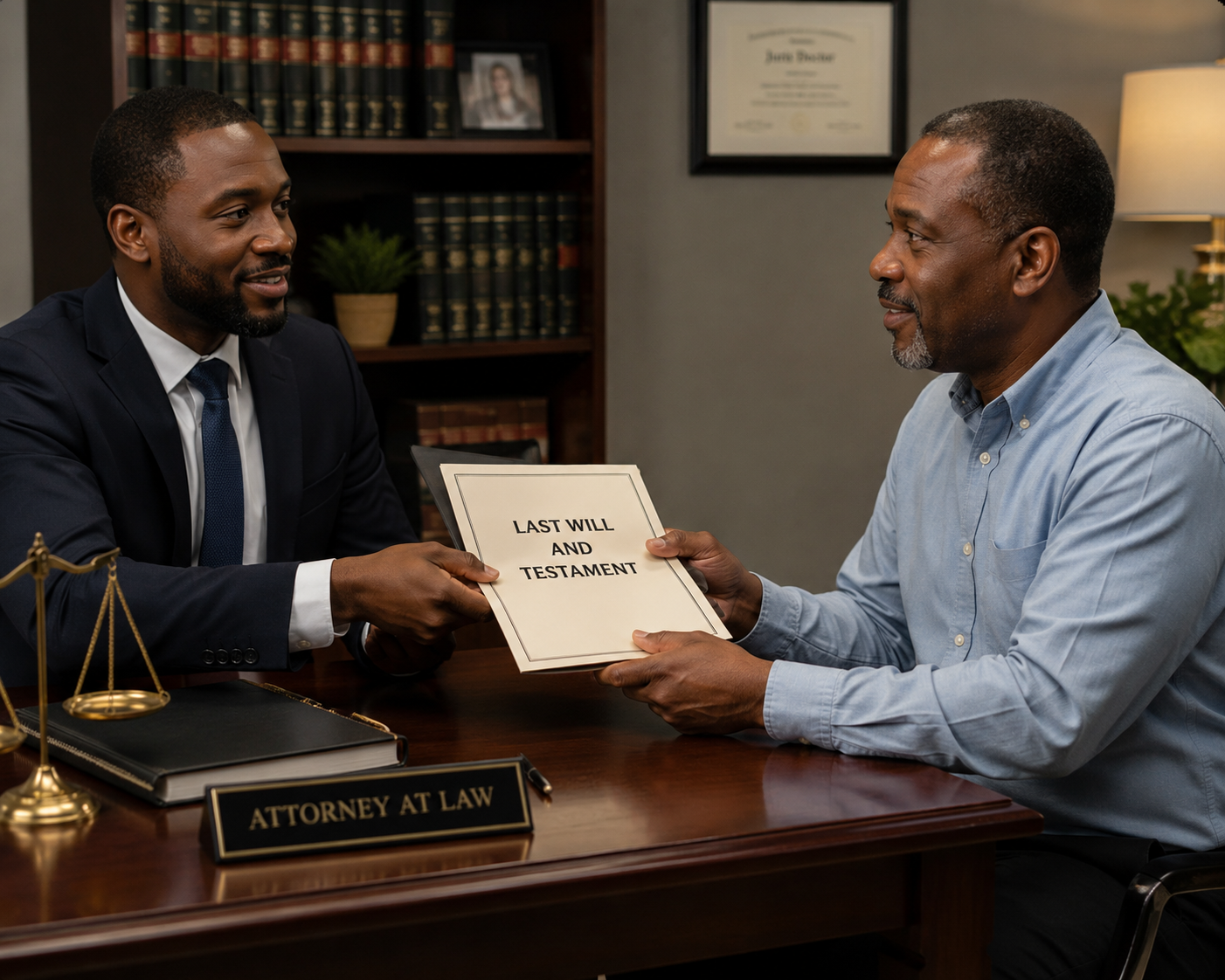
The death of a loved one is never easy. If you are wondering How to Transfer a House Title After Death in Texas, understanding the legal process can help you avoid unnecessary delays and complications. In addition to coping with grief and family responsibilities, surviving relatives often need to address important legal and financial matters, including transferring ownership of a home to the rightful heirs or beneficiaries.
In Texas, transferring a house title after death is not always as simple as signing a deed. The process depends on several factors, including whether the deceased left a valid will, whether the property was placed in a trust, and whether any probate-avoidance tools were used before death.
Failing to follow the proper legal procedures can create title issues that delay a sale, complicate inheritance rights, and lead to disputes among family members. Understanding the available options can help families protect their interests and ensure a smoother transition of property ownership.
At Abii & Associates, we assist families throughout Texas with probate, estate administration, heirship determinations, and real estate transfers. This guide explains how house titles are transferred after death and what steps may be necessary in your situation.
What Happens to a House When the Owner Dies?
When a property owner dies, ownership does not automatically transfer to the public records. Even if family members know who should inherit the property, legal steps are generally required before the title can be transferred, sold, or refinanced.
The method used to transfer ownership depends largely on whether the deceased left a valid estate plan.
Common scenarios include:
- The deceased left a valid will.
- The deceased died without a will.
- The property was placed in a trust.
- A Transfer on Death Deed was recorded before death.
- The estate qualifies for simplified probate procedures.
Each situation follows different legal requirements under Texas law.
Transfer of Property After Death With a Will
When a person dies with a valid will, the document generally names who should inherit the property and appoints an executor to manage the estate. However, a will alone does not transfer ownership. The will typically must be submitted to a Texas probate court, which determines its validity and grants authority to the executor. Once appointed, the executor can take the necessary steps to transfer ownership according to the terms of the will.
Executor’s Deed
In many probate cases, the executor transfers ownership through an Executor’s Deed. This deed serves as the legal document that conveys ownership from the estate to the beneficiary named in the will. After the deed is properly signed and recorded, public records reflect the new ownership.
Probate Timeline
The probate process in Texas can vary depending on the complexity of the estate. Simple estates may be completed within several months, while more complicated estates involving disputes, creditor claims, or multiple properties can take significantly longer.
What Happens If There Is No Will?
When a person dies without a valid will, they are considered to have died intestate. In these situations, Texas intestacy laws determine who inherits the property.
Generally, inheritance rights are distributed among surviving spouses, children, parents, siblings, or other relatives according to a specific legal formula. Because no executor has been named, the court may appoint an administrator to manage the estate and oversee the transfer process.
Understanding Affidavits of Heirship
An Affidavit of Heirship is one of the most commonly used tools when someone dies without a will and owns real estate. This document identifies the legal heirs of the deceased and creates evidence of ownership rights.
Typically, the affidavit is signed by:
- A family member or heir
- Two disinterested witnesses familiar with the family history
- A notary public
Once recorded in the county property records, the Affidavit of Heirship helps establish ownership interests for the heirs. Although the affidavit itself does not technically transfer title, it is often accepted by title companies and serves as important evidence regarding ownership.
Small Estate Affidavits
Certain estates may qualify for a simplified procedure known as a Small Estate Affidavit. This option is available only when specific legal requirements are met.
In general, the estate must be relatively small and meet statutory qualifications under Texas law.
A Small Estate Affidavit may allow heirs to avoid a full probate proceeding while still obtaining legal authority to deal with certain assets, including homestead property in qualifying circumstances.
Because strict requirements apply, consulting an attorney is advisable before relying on this option.
Transfer on Death Deeds
Texas property owners have access to a valuable estate planning tool known as a Transfer on Death Deed (TODD).
A Transfer on Death Deed allows a property owner to designate one or more beneficiaries who will automatically receive ownership upon the owner’s death.
Benefits of a Transfer on Death Deed
A properly executed Transfer on Death Deed can:
- Avoid probate for the property
- Simplify ownership transfers
- Reduce legal expenses
- Provide clear beneficiary instructions
However, the deed must be:
- Signed while the owner is alive
- Properly notarized
- Recorded before death
If these requirements are not met, the deed may be ineffective.
Does the Beneficiary Have Rights During the Owner’s Lifetime?
No. The property owner retains complete control over the property while alive.
The owner may:
- Sell the property
- Refinance the property
- Revoke the deed
- Change beneficiaries
The beneficiary receives no ownership rights until the owner’s death.

Living Trusts and Property Transfers
Another common estate planning strategy involves placing property into a revocable living trust. When property is owned by a trust, ownership can often transfer without probate. Instead, the successor trustee follows the trust instructions and transfers ownership to the designated beneficiaries.
Benefits of trust-based transfers include:
- Increased privacy
- Faster administration
- Reduced court involvement
- Greater flexibility
Trusts can be particularly beneficial for individuals with significant assets or complex family situations.
Other Ways Property May Transfer at Death
Several additional methods may be used depending on the circumstances.
Muniment of Title
A Muniment of Title is a streamlined probate procedure available in certain situations where a valid will exists, and there are no unpaid debts requiring administration.
This process is often less expensive and faster than traditional probate.
Administrator’s Deed
When an administrator is appointed by the court, property transfers may be completed through an Administrator’s Deed.
Trustee’s Deed
When property is owned by a trust, the trustee may transfer ownership through a Trustee’s Deed.
Lady Bird Deeds
Also known as Enhanced Life Estate Deeds, Lady Bird Deeds allow property owners to retain full control during their lifetime while automatically transferring ownership upon death.
These deeds are commonly used as probate-avoidance tools in Texas.
Why Recording the Deed Matters
One of the most overlooked steps in transferring property after death is recording the appropriate documents.
Even if ownership has legally changed through probate or inheritance, failing to record the necessary deed can create title problems.
Recording serves several important purposes:
- Provides public notice of ownership changes
- Protects ownership rights
- Helps avoid future disputes
- Facilitates future sales and refinancing
Without proper recording, buyers, lenders, and title companies may be unable to verify ownership.
Common Factors That Delay Property Transfers
Several issues can slow down the transfer process.
Common delays include:
No Estate Plan: When no will or transfer document exists, determining heirs may require additional legal proceedings.
Family Disputes: Challenges to inheritance rights can significantly extend probate timelines.
Creditor Claims: Outstanding debts may need to be resolved before property can be transferred.
Tax Issues: Unresolved tax obligations can delay estate administration.
Complex Assets: Multiple properties, business interests, and disputed ownership claims often increase the complexity of the process.
How to Make Property Transfers Easier for Your Family
The best way to simplify property transfers is through proactive estate planning.
Potential options include:
- Creating a valid will
- Establishing a revocable living trust
- Using a Transfer on Death Deed
- Reviewing beneficiary designations
- Maintaining accurate property records
Proper planning can help your loved ones avoid unnecessary delays, expenses, and legal complications.
Although some property transfers may appear straightforward, hidden legal issues often arise. It can quickly become complicated.
Questions involving:
- Probate requirements
- Heirship determinations
- Title defects
- Creditor claims
- Ownership disputes
An experienced probate attorney can help identify potential issues, prepare the necessary documents, and ensure that ownership transfers are completed correctly.
Final Thoughts on How to Transfer a House Title After Death in Texas
Transferring a house title after death in Texas involves more than simply identifying the heirs. Depending on the circumstances, the process may require probate, affidavits of heirship, deeds, trusts, or other legal instruments to establish and transfer ownership properly.
Understanding the available options can help prevent costly delays and title problems while ensuring that the deceased’s wishes are carried out. Whether you are handling a loved one’s estate or planning for the future, obtaining experienced legal guidance can make the process significantly easier and provide peace of mind for everyone involved.